How to Design a Luxury Guest Room + Home Office in a Seattle ADU

Key Takeaways
-
Deciding whether your space is office-first or guest-first shapes every subsequent design decision, from layout to lighting.
-
Premium wall bed systems offer seamless integration with cabinetry and outperform DIY Murphy bed alternatives in both longevity and aesthetics.
-
A styled, well-lit backdrop for video calls is now a professional asset, not an afterthought.
-
Warm neutrals and layered lighting help offset Seattle's overcast months while keeping compact spaces feeling open.
-
Thoughtful finishing touches can include art, mirrors, and lounge seating, distinguishing a guest suite from a spare room.
In a city that values both productivity and hospitality, the smartest Seattle ADU designs speak two languages fluently: the focused efficiency of a professional home office and the warm hospitality of a beautifully appointed guest bedroom.
For homeowners finishing a detached unit or converting an attached office space, the guest room and home office pairing has proven itself one of the most versatile, in-demand setups.
The combination of home and guest bedroom addresses two real needs at once: a legitimate professional workspace and a beautifully appointed guest suite that makes visitors feel genuinely welcome.
The challenge, of course, is doing both well. A room that functions as a cluttered office and is generously considered a guest room isn't the goal. Rather, the goal is a space that performs at the highest level in both roles.
To support your flow of day-to-day life, envision intentional calm in a quietly luxurious space that transforms comfortably from home office to guest retreat.
In this guide, we’ll walk through how to bring that vision to life.
In this article:
Choose a Design Direction and Purpose

Every successful guest room home office combo begins with a single honest question: which function comes first?
For Seattle professionals commuting a few days a week to Bellevue, South Lake Union, or Capitol Hill, the ADU may be a primary home office five days out of seven, with guests arriving only some days of the year.
Considering most of the ADU’s use will be professional, the design should prioritize the workspace: optimal desk ergonomics, natural lighting, acoustic comfort, and a backdrop for on-camera communication.
For homeowners who host frequently: adult children returning from college, out-of-town colleagues, or short-term rental guests, the importance of the guest room becomes the focus. The room reads as a refined guest suite first, with the workspace folding discreetly into built-in cabinetry.
Neither approach requires compromise. What it requires is specificity.
From a real estate perspective, this specificity pays dividends. According to the Seattle Department of Construction and Inspections (SDCI), Seattle currently permits up to two ADUs per lot, either two detached ADUs (DADUs), two attached ADUs (AADUs), or one of each. That regulatory flexibility has elevated the ADU from a practical addition into a real asset, especially on a daily basis for work guests, or from a resale value perspective.
A well-finished, multifunctional ADU designed with care attracts stronger rental rates and potentially higher appraised value on the city's compact urban lots.
Space planning checklist before you begin:
-
Consider your daily workflow. What will the space primarily be used for?
-
Map out the most important hours for both home and office, considering when guests might visit more often, such as during the holidays or summer.
-
Consider where you might want to add anchoring built-ins and wall beds for improved functionality.
Multifunctional Furniture That Feels Architectural
The best multifunctional furniture in Seattle looks intentional, as if it were always meant to be part of the overall interior design.
The difference between a multifunctional room that looks assembled and one that looks designed comes down to integration. A fold-out bed pushed against a blank wall reads as a workaround. However, a wall bed built into a floor-to-ceiling cabinetry system with concealed storage, integrated lighting, and a coordinating desk panel reads as intentional architecture.
At Resource Furniture, we offer premium integrated systems, including cabinetry, storage, resting, and working as a single continuous composition rather than a collection of separate pieces. The result is a room that functions at the highest level in every configuration without ever looking like it’s trying to be two things at once.
Wall Beds (Murphy Beds) for Space Efficiency

Most people’s mental image of a wall bed is based on older, well-known models: bulky hardware, visible mechanisms, a mattress that felt exactly like what it was. Today’s Murphy bed systems are a different category entirely.
In a Seattle ADU, where square footage is finite, and every wall carries weight, that distinction carries weight. The challenge isn’t simply fitting a bed into a room; it’s designing a space where the bed disappears completely, and the office takes over with ease. Modern wall bed systems are purpose-built for exactly this problem.
Today's Murphy bed styles integrate flush cabinetry, concealed lighting, and in many cases, built-in side units that function as bookshelves, nightstands, or wardrobes. The result is a guest room that, when the wall bed is open, feels like a proper hotel-style guest room, complete with a quality mattress, real bedding, and a headboard panel that maintains the room's visual integrity.

A few design principles to keep in mind for luxury wall beds in Seattle:
-
Headboard continuity matters. Choose a system where the headboard is visible even when the bed is folded, or incorporate the headboard into the cabinet design; this prevents the awkward visual break of a "blank panel" in the room.
-
Premium mattress compatibility. The mattress you pair with your wall bed is what elevates your guest experience. At Resource Furniture, we design systems around specific mattress weights and depths, ensuring proper counterbalance and full support for rest or relaxation. A compatible, high-quality mattress is what separates a functional guest bedroom from a truly memorable one.
For the Seattle ADU guest room home office, a vertical queen-wall bed is typically the right choice. It consumes minimal wall width while sleeping a standard queen mattress, one that should be selected specifically for the system (most quality manufacturers specify compatible mattress depths and densities to maintain proper counterbalance). When closed, the bed's exterior becomes a decorative panel or integrated shelving unit, indistinguishable from custom millwork.
Hidden or Fold-Down Workspaces
The workspace in a dual-purpose room should disappear entirely when guests arrive and reappear as a fully functional executive setup on Monday morning.

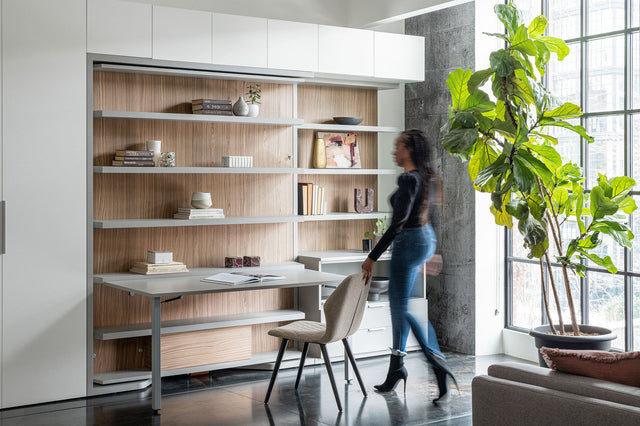
A fold-down desk integrated into a wall bed cabinet is the most space-efficient option: it deploys at work height, provides adequate surface area for a monitor and laptop, and folds flush when not in use. For professionals who require more workspace for dual monitors, dedicated peripherals, and reference materials, a full-wall built-in system with a concealed monitor lift or rollaway desk panel offers greater depth and functionality.
Secretary-style desks, where the work surface folds down from a vertical panel, provide a visually elegant solution that reads as furniture rather than equipment. Pair these with interior cable management and power strips built into the cabinetry to eliminate visible cord clutter entirely.
Custom built-in wall systems deliver another advantage specific to compact spaces: visual cohesion. With multifunctional furniture, every surface, like sleeping, working, or storing, belongs to a single designed composition; the room feels considered and intentional, not assembled from disparate parts.
Create a Virtual Meeting Oasis for Busy Days
A room can be beautifully designed and still perform poorly on camera. In Seattle's hybrid work culture, where a significant portion of professional life happens over Teams or Zoom calls, the visual and lighting environment behind and around you carries real professional weight.
When a window sits behind you—and in many ADU configurations, it will—that backlight causes cameras to make your face harder to see.
The fix: either reorient the desk to face the window, or add a dedicated front light source (a floor lamp with a shade, or a desk-mounted diffuse panel) to balance the exposure.
A practical three-layer lighting approach for Seattle ADU guest room home offices:
-
Foreground light: Natural light from a window in front of you, softened with sheer curtains or adjustable blinds on overcast days. Supplement with a warm-toned desk or floor lamp during darker winter months.
-
Background fill: Ambient light behind you, think table lamps or integrated shelf lighting within your built-in system, ensuring the camera sees a balanced scene rather than a bright face against a dark void.
-
Overhead control: Overhead lighting can overpower your appearance. Dim them or keep them off during meetings by using table lamps and floor lightning to create an even, layered glow.
Beyond lighting, what appears in the background is equally important. Styled modular shelving with books, plants, and curated objects communicates polish. When the wall bed is closed and the desk is deployed, your integrated cabinetry becomes the backdrop, a designed aesthetic rather than a visual distraction. This is one of the strongest arguments for investing in a full-wall built-in system: every call happens in front of something intentional.
Motorized shades are a worthwhile upgrade for a Seattle ADU guest room home office, allowing precise daylight control with a single tap; particularly valuable during Seattle's long stretches of overcast winter sky, when available light shifts significantly hour by hour.
Select a Cohesive Color Palette That Works Year-Round for Seattle ADU Design

Color in a Seattle ADU guest room and home office combo carries more responsibility than in most other rooms. It must support focus during working hours, encourage rest during sleeping hours, and hold its quality across the city's famously variable light conditions, from brilliant Pacific Northwest summers to months of soft gray overcast.
Warm neutrals consistently outperform cooler alternatives in this context. For example, you can use soft white (with yellow undertones), warm taupe, muted sand, or greige. These tones reflect available light generously without introducing the chill that cool grays or blue-whites can create in low-light conditions. Pair them with natural wood tones for your cabinetry and furniture to add warmth and texture without requiring additional color.
Practical color guidance for compact ADU spaces:
-
Avoid deep or saturated wall colors. In rooms under 250 square feet, they can reduce the sense of space significantly under artificial light.
-
Use consistent flooring throughout. This creates visual continuity and makes the room read as larger.
-
Layer textures rather than colors. Linen, boucle, natural wood, and matte-painted surfaces create richness and depth without requiring a complex palette.
-
Treat your built-ins as architecture. Painting cabinetry in the same tone as the walls or in a warm white that reads close to it allows the room to feel expanded rather than divided.
Accent colors, when used, should be introduced through soft furnishings: throw pillows, a textured blanket, or a small piece of art. These can be swapped seasonally without repainting, giving the room flexibility without sacrificing cohesion.
Final Touches That Elevate the Space from Practical to Luxurious
The difference between a well-designed guest room experience and a thoughtfully luxurious one often comes down to sensory details, the things that make a guest pause and feel genuinely cared for, or that make you look forward to sitting down at your desk each morning.
For the guest experience:
-
Hotel-quality bedding: A high-thread-count sheet set, a medium-weight duvet with an extra blanket folded at the foot, and two sets of pillows (firm and soft) signal that the space was prepared with attention.
-
Dedicated towels and toiletries: If the ADU design includes an attached bathroom, designate it exclusively for guests with fresh towels, a small tray of quality products, and a hook at comfortable height.
-
Privacy considerations: Motorized or blackout-lined shades ensure guests sleep well regardless of the season—particularly important during Seattle's extended summer daylight hours.
-
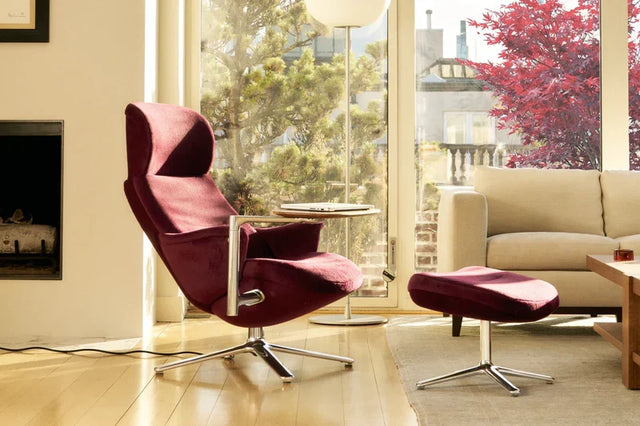
A small lounge area: Even in a compact space, a single well-chosen armchair and a side table create a sitting area that elevates the room from bedroom to suite.
For the daily work environment:
-
An ottoman or footrest under the desk adds ergonomic comfort during long working hours.
-
A mirror on the wall opposite the window amplifies natural light and adds depth to the room; doubly useful during darker months.
-
Art and plants soften the hard geometry of cabinetry and screens, making the room feel lived-in rather than staged.
Small details accumulate. A carafe of water on the bedside table, a curated book or two on the shelf, a diffuser with a subtle scent, these are the gestures that transform a functional room into one worth returning to.
Bring the Vision to Life

A thoughtfully designed Seattle ADU guest room home office isn't a compromise between two functions; it's a refined solution that serves both at the highest level. The right wall bed system, the right lighting, the right palette, and the right finishing details transform a modest square footage into something quite extraordinary.
If you're ready to explore what's possible for your space, our team can help. From initial space planning to premium wall bed systems and integrated cabinetry, we bring together the craftsmanship and design intelligence your ADU deserves.
Visit our Seattle showroom to learn more.
FAQs
How do you combine a guest room and home office in a small Seattle ADU?
The most effective approach uses multifunctional furniture to integrate both functions into a single wall system: a vertical wall bed that folds up during working hours, paired with a fold-down desk or built-in workspace. This configuration keeps the full floor area available during the day and converts to a comfortable sleeping space in minutes—without any furniture moving.
What is the best layout for a guest room office combo?
Place the wall bed and integrated desk on the longest uninterrupted wall. Position the desk so it faces or is perpendicular to the primary window, optimizing natural light for video calls. Leave the opposite wall for a small seating area or storage, and keep the floor plan as open as possible.
How do you make a home office look professional on video calls?
Face your primary light source (ideally a window), add fill lighting behind you to balance exposure, and ensure your background is styled and intentional. Integrated built-ins with books, plants, and curated objects serve as a natural, professional backdrop on every call.
How can lighting improve a small ADU workspace?
Layer your lighting rather than relying on a single overhead fixture. Combine a front-facing diffuse light source, ambient background lamps, and adjustable natural light (via motorized or manual shades) for a balanced, flattering environment that performs well both in person and on camera.
Does Seattle allow ADUs for rental or investment purposes?
Yes. Seattle removed the owner-occupancy requirement in 2019, meaning you are not required to live on-site to build or rent out an ADU. The city currently permits up to two ADUs per lot, subject to applicable zoning, height, and size standards. For the most current permit requirements, consult the Seattle Department of Construction and Inspections (SDCI) directly.
Recent Posts

The West Coast Design Calendar: Los Angeles, San Francisco, and Seattle This Fall

A Battery Park City Home Built for Change

The Room Between Visits: Rethinking an Underused Bedroom in Los Angeles

Transforming Tables Compared: Which Type Is Right for Your Space?

Two Projects, One Idea: Young Huh Designs for Flexibility