13 Storage Ideas for Small Spaces: Shelves, Walls, and Containers

Living in a small home often means your rooms have to do a bit more — a living room that moonlights as a workspace, a bedroom that hides your hobbies, or a studio where every surface matters. When space is tight, storage becomes less about “where to put things” and more about designing a home that feels calm, flexible, and beautifully intentional.
At Resource Furniture, we believe great storage doesn’t just save space — it can actually create it. With a combination of modular systems, transforming pieces, and well-planned shelving, even the smallest layouts can feel open and easy to live in.
Instead of treating storage as something you “add on,” think of it as part of the architecture of your home. The most functional small spaces feel that way because storage is integrated, intentional, and tailored to daily life. The ideas below build on one another, helping you envision what’s possible in your own home.
Below, we explore how to rethink storage in a way that works for your real, everyday routine — from simple updates to transformative design solutions.
In this article:
-
Use Vertical Space to Your Advantage
-
Choose Furniture That Works Double Duty
-
Create a Closet Where One Doesn’t Exist
-
Embrace Open Shelving and Containers
-
Use Transforming Beds, Tables, and Desks
-
Keep the Floor Clear With Floating Furniture
-
Expand With Modular Systems
-
Under-Bed and Concealed Storage
-
Utilize Corners and Nooks
-
Think Beyond the Living Room
-
Create Visual Flow
-
Incorporate Mirrors and Lighting
-
Style With Intention
-
FAQ: All About Small Space Storage
- Small Space, Big Potential
1. Use Vertical Space to Your Advantage
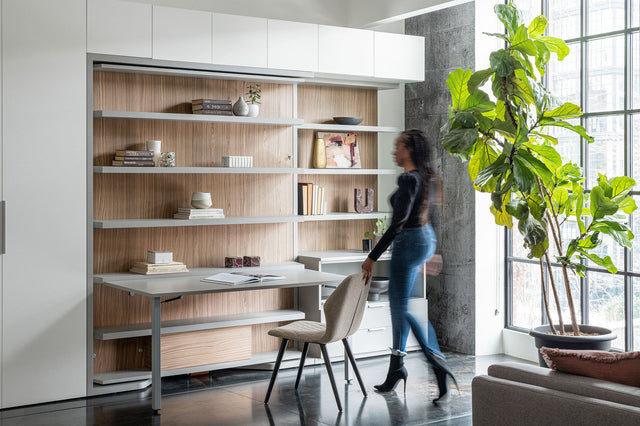
Walls are often the most underused real estate in a small home. Tall shelving, floating cabinets, and wall-mounted organizers free up precious floor area and draw the eye upward, instantly making a room feel taller. Small homes thrive when you think vertically. Install tall shelving units, floating cabinets, or wall-mounted organizers to draw the eye upward and free up valuable floor area.

Imagine a studio apartment where a full-height shelving wall brings order to books, art, and lighting — or a compact entryway where a floating cabinet keeps keys, bags, and everyday necessities off crowded surfaces.
Our wall-mounted precious floor area and draw the eye upward, instantly making a room feel taller. Small homes thrive when you think vertically. Install tall shelving units, floating cabinets, or wall-mounted organizers to draw the eye upward and free up valuable floor area.
2. Choose Furniture That Works Double Duty
In small homes, single-function furniture quickly limits how you live. Choosing pieces with built-in storage or multifunctional features gives you more options without adding clutter.
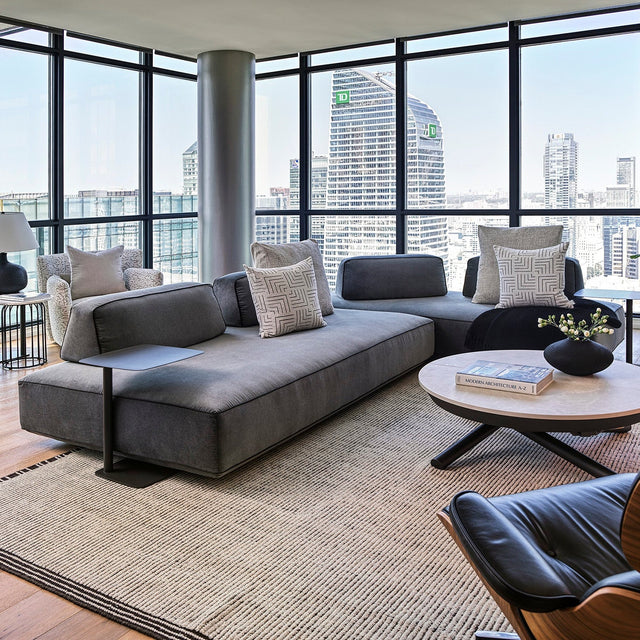
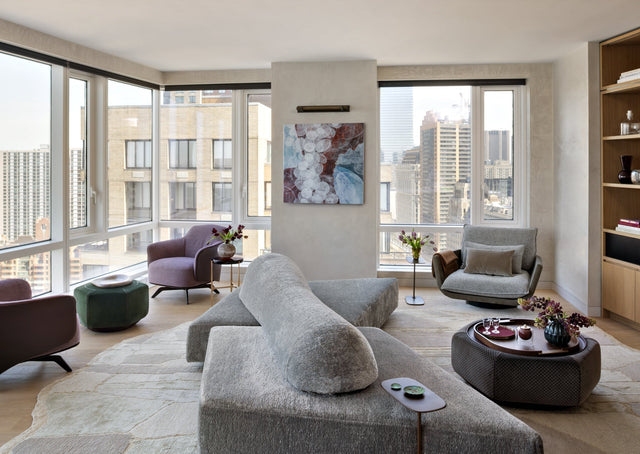
Take a modular sofa with hidden compartments — the kind of place where spare bedding, seasonal decor, or tech accessories disappear. A lift-top coffee table can become a work surface during the day, then conceal laptops and chargers at night. Even a classic bed frame becomes a storage powerhouse when designed with integrated drawers.
Our wall beds collection and modular sofas are designed for exactly this — seamlessly combining comfort and practicality. Try a model like the Penelope wall bed, which folds down to reveal a full sleeping surface while offering hidden shelving behind.

3. Create a Closet Where One Doesn’t Exist
Many apartments — and modular sofas are designed for exactly this — seamlessly combining comfort and practicality. Try historic or urban ones — simply don’t have closets. Modular wardrobe systems solve this beautifully by creating structure where there was none.
Picture a small bedroom with only one blank wall. A modular system can turn that wall into a fully customized wardrobe with hanging rods, drawers, and open shelving. Because the system is built to adapt, you can add components over time or reconfigure the layout when life changes.
No closet? No problem. Use modular wardrobes and customizable shelving to create storage where none exists. Systems like our modular storage solutions adapt easily to your space and lifestyle — ideal for renters or homeowners seeking flexibility without the permanence of built-ins.
If you’re short on inspiration, our blog on 12 Small Home Office Ideas to Transform Your Space shows how modular systems can double as both workspace and wardrobe.
4. Embrace Open Shelving and Containers
Open shelving brings lightness to small rooms, but it works best when styled with intention. It’s ideal in kitchens, bathrooms, and studios where everything is visible — but that visibility means editing is key.
Think about grouping items by material or color so shelves feel cohesive. Larger decor pieces, such as a sculptural vase or stack of books, give the eye something to land on without overwhelming the space.
Look for containers in natural materials — woven fiber, linen, or matte metal — to complement modern interiors with warmth and sophistication. Group by color or material to create a cohesive, streamlined look. A few woven or linen containers can hide smaller items while adding warmth.
The goal isn’t to display everything — it’s to make the things you love easy to see and reach, while tucking away the rest.
5. Use Transforming Beds, Tables, and Desks
When one room needs to do two or three jobs, transforming furniture becomes your best ally. These pieces create space on demand — a truly transformative advantage in small homes.
A wall bed might fold down over a sofa or reveal a work surface, giving one room multiple “modes” throughout the day. A slim console table can extend to seat a full dinner party. A desk can vanish the moment the workday ends. Transforming furniture is the cornerstone of modern small-space living. A wall bed that reveals a desk or sofa, or an extendable dining table that expands only when needed, allows one room to serve multiple functions.
Explore our wall beds with desks and tables and transforming tables to see how beautifully function and design can coexist. A table like the Passo, for example, adjusts from coffee table to dining height in seconds.
6. Keep the Floor Clear With Floating Furniture
Keeping the floor visible is a simple but effective small-space strategy. Floating nightstands, wall-mounted desks, and suspended cabinetry instantly make rooms feel more spacious — especially in narrow or multifunctional spaces.
A floating desk in a living room corner, for example, creates a fully functional workspace without adding visual weight. In bedrooms, floating nightstands can make room for under-bed storage or simply keep the space feeling airy.
This approach also makes cleaning easier — another underrated perk in small homes. Our wall-mounted desks and shelves are crafted to integrate seamlessly into your layout — ideal for home offices and compact bedrooms alike.
7. Expand With Modular Systems
Your home won’t stay the same forever — and your storage shouldn’t either. Modular systems evolve with you as your life changes, whether that means rearranging components, adding new ones, or bringing them with you when you move.
Resource Furniture’s modular designs are sustainably crafted in Italy and built for flexibility — transforming your storage into a living, breathing part of your home’s design. Start small with a single wall unit and expand over time as your needs change.
Instead of committing to permanent built-ins, modular solutions offer long-term flexibility while still looking architecturally integrated.
8. Under-Bed and Concealed Storage
Make the most of unused areas beneath and behind furniture. Under-bed drawers, rolling bins, and lift-top benches are perfect for storing off-season items without visual clutter.
Pair a Queen Murphy bed with integrated drawers or shelves to turn a single wall into a complete sleeping and storage system.
9. Utilize Corners and Nooks
Small homes often have corners that feel awkward or too tight to use — but these spots can add surprising functionality. A corner desk tucked under shelving becomes a natural workspace. A triangular bookcase creates a striking architectural moment. Even awkward corners can become opportunities. Install corner shelves, small cabinets, or modular cubbies to turn unused areas into design features.
Consider a wraparound shelving system that connects your living and dining zones — it not only maximizes space but also creates architectural interest. The key is treating these areas as part of your overall layout rather than leftover space.
10. Think Beyond the Living Room
Smart storage isn’t just for the main living space. Storage opportunities extend to places that often get overlooked. A floating vanity keeps bathroom floors clear while offering concealed storage. A slim entryway console corrals keys, umbrellas, and mail. A balcony bench with built-in storage creates an outdoor lounging area that doubles as organization. These small upgrades provide big relief in everyday living.
For a workspace that stays organized, check out our small home office ideas — full of practical ways to balance productivity and beauty.
11. Create Visual Flow
Consistency makes a space feel larger. Choose matching finishes and tones across furniture pieces for a cohesive, polished look. Soft neutrals, light wood tones, and subtle matte textures help maintain visual calm.
A simple trick: repeat one material — such as oak or white lacquer — across shelving, cabinetry, and tables to create a sense of continuity throughout the room.
In compact rooms, visual cohesion is everything. Choosing consistent finishes — such as matching wood tones or matte lacquer colors — helps the entire space feel larger and calmer.
Repeating materials across shelves, cabinetry, and furniture creates a subtle sense of continuity that instantly elevates the room.
12. Incorporate Mirrors and Lighting
Mirrors double the light and depth in a room, while strategically placed lighting highlights shelving and cabinetry. Wall sconces or LED strips under floating shelves keep spaces bright and balanced.


Consider mirrored cabinet doors or glass accents for an extra layer of reflection and light.
13. Style With Intention
Keep open storage curated — think fewer, larger pieces instead of many small ones. Books, ceramics, and greenery add personality without cluttering the visual field.
When styling, remember the “two-thirds rule”: fill roughly two-thirds of your shelves and leave open space for breathing room. It’s one of the easiest ways to make even small shelves feel purposeful and elegant.
FAQ: All About Small Space Storage
How do I maximize storage in a small space?
Use vertical space, hidden compartments, and modular systems that adapt to your layout.
What furniture is best for small space storage?
Multifunctional pieces such as storage beds, floating nightstands, and wall-mounted desks work best.
How do I organize a room with no closet?
Opt for free-standing wardrobes, garment racks, or shelving systems that balance aesthetics with practicality.
Are floating shelves a good idea for small spaces?
Absolutely. They offer structure and style without occupying floor space.
Small Space, Big Potential
The secret to living large in a small home isn’t about owning less — it’s about designing smarter. With wall-mounted systems, transforming furniture, and modular storage crafted to adapt and endure, every inch of your home becomes a design opportunity.
Ready to simplify your space with elegance and intention? Explore our modular storage and space-saving solutions and discover just how beautiful multifunctional living can be.
Recent Posts

How to Choose the Right Seating for Your Space: Sofas, Sectionals, Chairs & More

The Livability Quotient: A Better Way to Think About Multifamily Space

The West Coast Design Calendar: Los Angeles, San Francisco, and Seattle This Fall

A Battery Park City Home Built for Change

The Room Between Visits: Rethinking an Underused Bedroom in Los Angeles