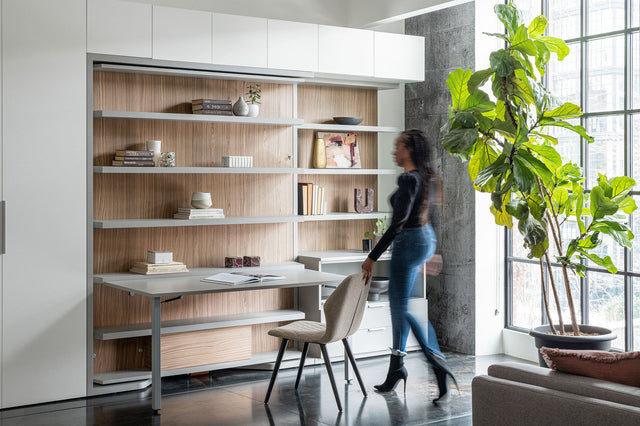
How to Choose the Right Seating for Your Space: Sofas, Sectionals, Chairs & More
Choosing the right seating starts with understanding how a room needs to function. Before comparing sofas, sectionals or chairs, consider how many people use the space every day, what activities it needs to support and whether the layout needs to change. The right seating provides comfort, capacity and flexibility without limiting how the rest of the room can be used.
Start With How the Room Will Be Used
A living room used primarily for watching television has different seating requirements than one designed for conversation, entertaining or working from home.
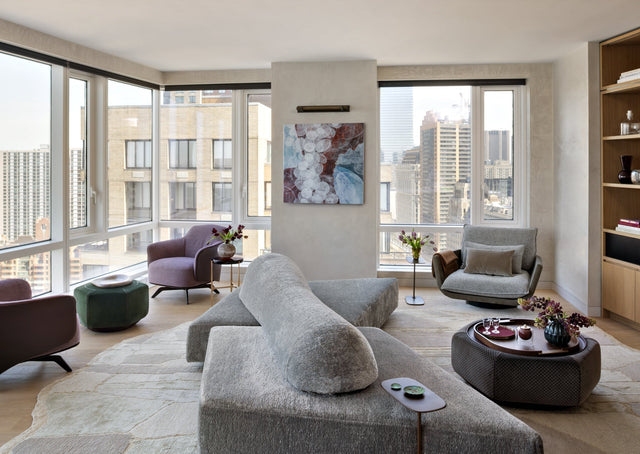
Consider whether the room needs one primary seating area or several independent places to sit. A sofa can establish a central gathering space, while separate chairs allow for conversation or individual activities in different parts of the room.
Frequency matters, too. Everyday seating should accommodate the people who regularly use the room. Additional seating for occasional guests can often come from smaller, movable pieces rather than permanently dedicating floor area to a larger arrangement.
In a multipurpose room, the ability to rearrange seating becomes more important. A space that serves as both a living room and home office may benefit from movable seating, while a dedicated family room may work better with a consistent arrangement.
Resource Furniture's Seating collection includes options for both established layouts and rooms that need to accommodate changing activities.
Sofa, Sectional or Modular Seating?
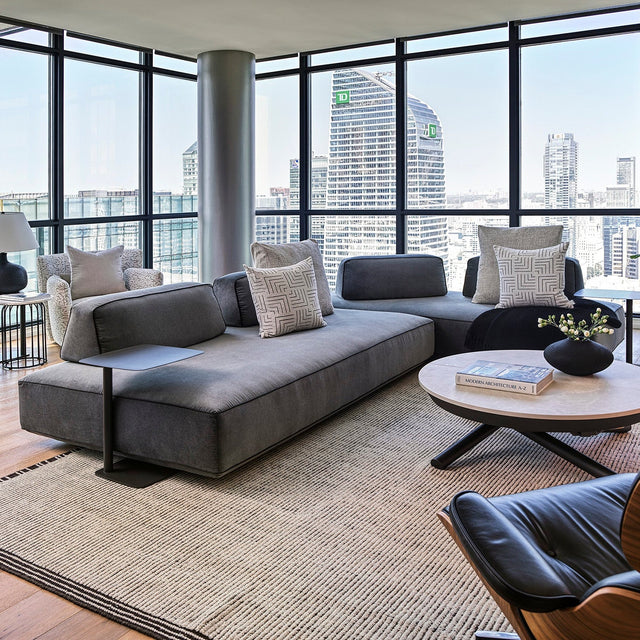
The choice between a sofa, sectional and modular sofa depends on seating capacity, how the room is used and whether the layout needs to change from time to time. A sofa provides a defined seating area, while a sectional offers more continuous seating for lounging or gathering. Modular seating allows the arrangement to change to accommodate different activities.

Resource Furniture's Flex modular sofa demonstrates this flexibility through movable backrest cushions that can be repositioned to create a conventional sofa, sectional, chaise or tête-à-tête arrangement. Rather than being limited to one fixed configuration, the seating can be adjusted as the room's needs change.
Flex can also function as a freestanding sleeping surface, with an optional custom sleepcover for overnight guests. This provides another option for rooms that need occasional sleeping capacity without a separate bed.
For a closer comparison of these seating formats, read our guide to sectional vs. modular furniture, or explore our Sofas & Sectionals collection.
When You Need Secondary Seating Instead
A larger sofa isn't always the best way to add another seat. In many rooms, a separate lounge chair, recliner or occasional seat provides greater flexibility without extending the primary seating footprint.
A lounge chair works well when someone regularly needs an independent place to sit, whether for reading, conversation or relaxing. Unlike an additional sofa seat, a separate chair can be positioned at a different angle to create a more conversational arrangement or a distinct area within the room.
A recliner offers similar independence with adjustable seating positions for individual comfort. Its extended dimensions, however, need to be considered alongside its everyday footprint.

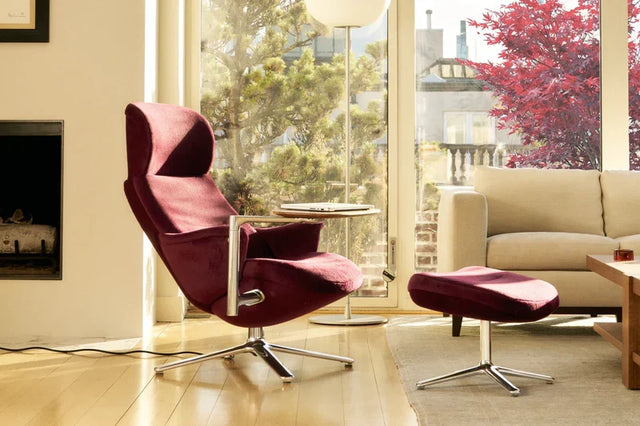
The Daydreamer Lounge Chair by JORI demonstrates this approach with a swivel base that allows the chair to rotate between different areas of the room and an adjustable backrest for reclining.
For occasional seating, a bench or ottoman may be more practical. Both provide an additional place to sit without the footprint of another full-size chair. Depending on its design, an ottoman can also function as a footrest or complement an existing sofa.
The distinction is between seating needed every day and seating used primarily for guests. Explore Resource Furniture's Lounge Chairs & Ottomans collection for options suited to both.

When Seating Needs to Work With a Wall Bed
When a room needs to accommodate both seating and sleeping, consider how frequently each function is used.
For a living room that only occasionally hosts overnight guests, adaptable standalone seating may be sufficient. A modular sofa that can be rearranged or used as an occasional sleeping surface can accommodate visitors while keeping the room primarily dedicated to living.
If the room regularly alternates between living and sleeping, a wall bed with an integrated sofa may be a better solution. These systems combine everyday seating with a dedicated bed, allowing both functions to share the same floor area.
Often called a Murphy bed with sofa or Murphy bed with couch, this type of transformable furniture is useful in guest rooms, studio apartments and other multipurpose spaces where separate seating and sleeping furniture would compete for floor area.

Resource Furniture's Ella & Louis combines an integrated sofa with a Queen-Plus-size wall bed that can separate into two individual single beds, each with its own integrated seating. This allows the same system to accommodate different sleeping arrangements. A vacation home, for example, may need one larger bed for a couple during one visit and separate beds for individual guests during another.
For rooms where sleeping is a regular requirement, explore Resource Furniture's Wall Beds with Sofas collection. These integrated systems offer an alternative to choosing standalone seating and a separate bed.
Make Sure the Seating Works With the Whole Room
Once you've selected a seating format, consider how it works within the complete furniture layout.
A sofa or chair can fit within a room's dimensions and still make the space difficult to use. What matters is how much usable area remains once the furniture is in place and functioning as intended.

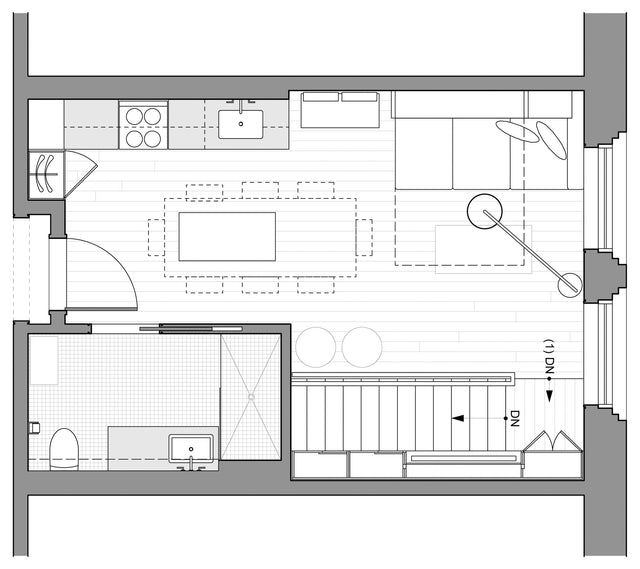
Start with the seating's everyday footprint. Consider its width and depth in relation to nearby furniture, doors and primary walking paths. A sectional, for example, may fit against two walls but restrict movement between the living area and an adjacent dining space.
For seating that moves or changes configuration, account for the space needed to operate it. A recliner needs room to extend, modular seating requires space to be rearranged, and a wall bed with an integrated sofa needs sufficient clearance when open. Dining chairs also need room to be pulled away from the table. These requirements should be considered alongside the furniture's everyday footprint.
Consider how seating affects other activities in the room. If the living room doubles as a workspace, can the desk still be accessed when seating is arranged for guests? If an ottoman is moved into the center of the room, does it interrupt a primary walking path?
The goal isn't to leave as much empty space as possible. It's to make sure the furniture supports the room's intended activities without making movement or everyday use unnecessarily difficult.
Choose Dining Seating With the Table
Dining seating should be selected according to how the table is used, particularly when it expands or serves more than one purpose.
For a fixed dining table, permanent everyday chairs usually make sense. The number of seats is established, and the chairs can be selected according to the table's dimensions, height and surrounding circulation space.

For dining tables used beyond mealtimes, everyday seating should be comfortable for longer periods of sitting, whether working or gathering. Resource Furniture's Nora Dining Chair, with its upholstered seat, curved backrest and supportive arms, is one option for regular use.
For expandable tables, consider how many chairs are needed every day versus at full capacity, and where additional seating can be stored between gatherings. Folding or compact chairs can accommodate occasional guests without occupying permanent floor space.
A table that seats four every day but expands to accommodate eight doesn't require eight permanent chairs. This approach is particularly useful with transforming tables that shift between coffee, dining and work configurations.
Explore Resource Furniture's Dining Chairs & Stools collection to compare options for everyday dining and more flexible arrangements.
Seating Decision Guide
The right seating format depends on the room's primary activity, the number of people it needs to accommodate and how often the layout changes.
| Your Priority | Start With |
|---|---|
| Stable everyday living room | Sofa |
| Larger lounging area | Sectional |
| Layout changes regularly | Modular sofa or sectional |
| Individual comfort | Lounge chair or recliner |
| Occasional extra seating | Bench or ottoman |
| Everyday dining | Dining chair |
| Dining only when needed | Folding or compact chair |
| Living room also becomes a bedroom | Wall bed with integrated sofa |
Choose Seating Around How the Room Needs to Work
Explore Resource Furniture's Seating collection to compare sofas, sectionals, lounge chairs and other seating options, or visit a Resource Furniture showroom to work with a Sales & Design Consultant on a solution suited to your space.
Recent Posts

How to Choose the Right Seating for Your Space: Sofas, Sectionals, Chairs & More

The Livability Quotient: A Better Way to Think About Multifamily Space

The West Coast Design Calendar: Los Angeles, San Francisco, and Seattle This Fall

A Battery Park City Home Built for Change

The Room Between Visits: Rethinking an Underused Bedroom in Los Angeles